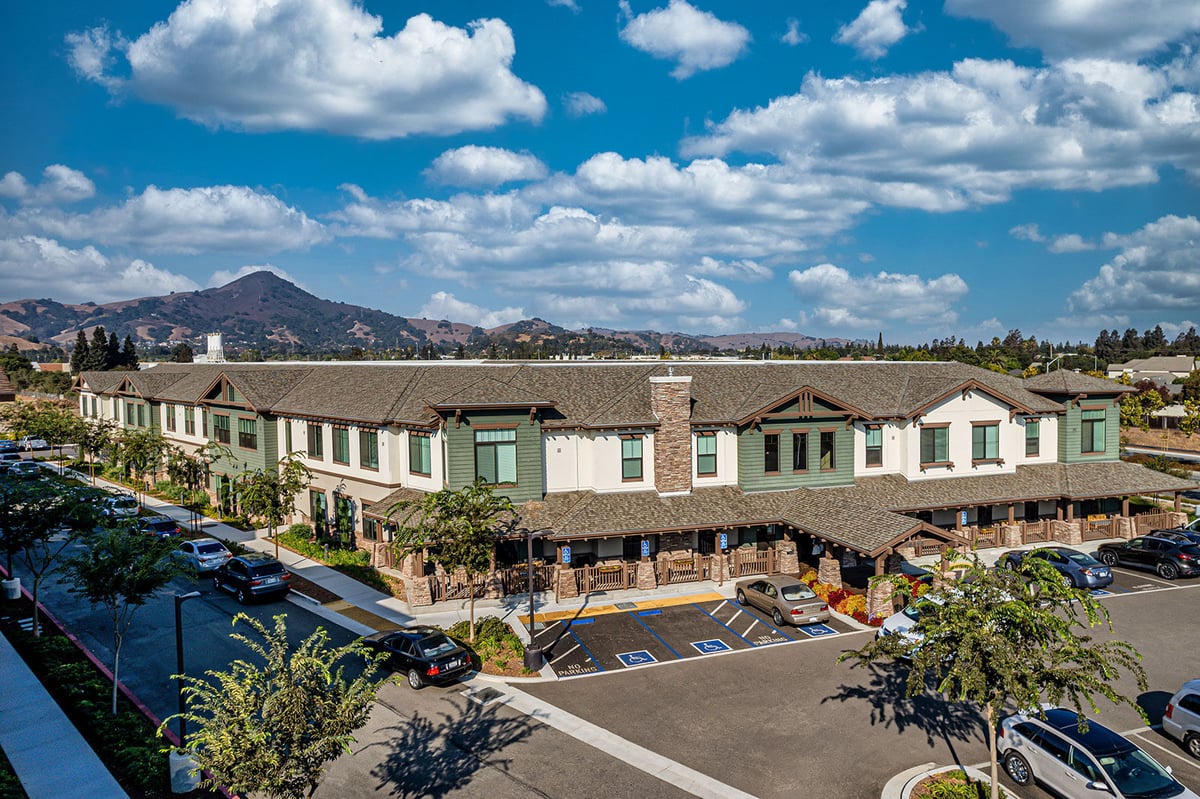
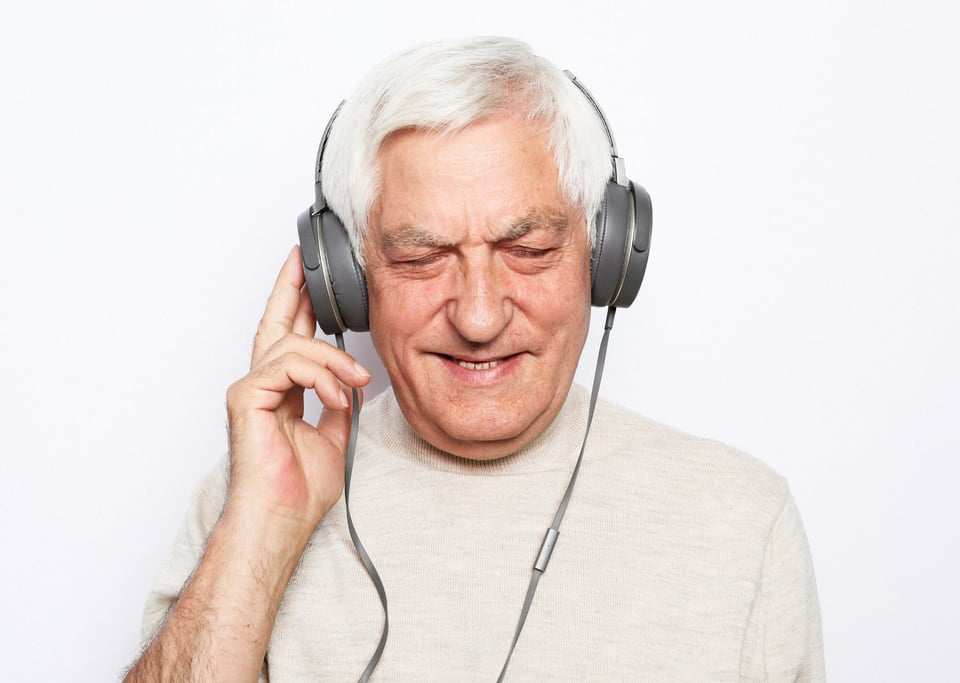
Communities providing Memory care in Morgan Hill use music and rhythm to unlock connection when words fade; familiar sounds spark memory, calm anxiety, and invite joy. You see engagement rise fast as rhythm cues movement, emotion, and shared moments that feel real again.
Music memory can remain intact even when other memories fade. Clinical evidence shows personalized music programs may help reduce anxiety and agitation in people living with Alzheimer's disease and related dementias, according to a 2022 review by Matziorinis and Koelsch in Annals of the New York Academy of Sciences.
In memory care in Morgan Hill, CA, professionals harness that power through tailored playlists, rhythm activities, and shared sound experiences to spark recognition and presence. Melody often connects when words fail; familiar tunes ease stress and invite smiles.
How Does Music Help People With Dementia Stay Engaged?
Music stimulates brain pathways tied to emotion, rhythm, and long-term memory. Even when short-term recall weakens, familiar songs often remain accessible and meaningful. That response creates moments of focus and awareness without pressure to speak or explain.
Engagement improves because music feels intuitive. Singing, tapping, or swaying happens naturally and supports memory care engagement in a calm way. Rhythm gives structure to the moment while melody supports emotional expression.
Why Does Rhythm Reduce Anxiety in Memory Care Settings?
Rhythm provides predictability, which helps lower stress for seniors with dementia. Steady beats support breathing patterns and gentle movement, helping the body settle before the mind follows. That physical regulation often leads to emotional ease.
Anxiety decreases when rhythm replaces verbal instruction. Drumming, clapping, or paced music cues action without confusion. That approach strengthens emotional wellness for seniors while encouraging connection through shared activity.
Music Therapy Sessions That Spark Recognition
Structured music therapy sessions in senior living communities create rhythm-based moments that feel safe and familiar. Trained staff guide listening, singing, and gentle movement using songs tied to personal history. That approach supports music therapy for dementia while keeping engagement natural and pressure-free.
Sessions often follow a predictable flow to reduce confusion and stress. Residents respond through humming, tapping, or soft vocal cues. Familiar sound builds trust and opens emotional access without relying on recall tests.
Common session elements include:
- Personalized playlists
- Guided sing-alongs
- Soft percussion
- Tempo matching
- Calm transitions
Rhythm Activities That Encourage Movement
Rhythm-based activities support coordination and confidence through simple, repeatable patterns. Clapping, drumming, and foot tapping create physical cues that feel intuitive. Movement follows rhythm more easily than verbal instruction.
Gentle motion boosts circulation and focus while supporting cognitive support goals. Residents often mirror beats without prompting. Rhythm guides the body when language feels distant.
Popular rhythm activities include:
- Hand drumming
- Beat clapping
- Seated tapping
- Call-and-response
- Slow pacing
Group Music Moments That Build Connection
Shared music experiences foster social connection without forcing conversation. Group singing or listening circles allow participation at any level. Presence matters more than performance.
Group settings strengthen memory care engagement by creating shared emotional space. Familiar songs encourage eye contact and subtle interaction. Connection grows through sound rather than speech.
Group music moments often include:
- Themed playlists
- Community singing
- Listening circles
- Holiday songs
- Memory-era music
Calming Soundscapes for Emotional Balance
Soft instrumental music and nature sounds help regulate mood throughout the day. Calm soundscapes support rest periods and reduce agitation during transitions. Consistent audio cues provide comfort and predictability.
That practice supports emotional wellness for seniors by easing sensory overload. Calm music lowers tension and supports focus. Sound shapes emotional tone in subtle but powerful ways.
Common calming sound choices include:
- Piano instrumentals
- Nature sounds
- Slow tempos
- Low volume
- Repetitive melodies
Creative Music Experiences That Support Identity
Creative music experiences allow self-expression through choice and participation. Selecting songs or instruments reinforces personal identity. Creativity remains accessible even as memory shifts.
That approach reflects creative memory care strategies focused on dignity and autonomy. Expression happens through rhythm, tone, and preference. Identity lives in music when words fade.
Creative experiences may include:
- Song selection
- Instrument choice
- Vocal expression
- Movement freedom
- Emotional cues
Frequently Asked Questions
How Is Music Used Safely in Memory Care Programs?
Music use in memory care follows structured guidelines to protect comfort and well-being. Staff monitor volume, tempo, and emotional response during sessions. Song selection avoids sudden changes that may cause distress or overstimulation.
Personal preference guides every choice. Care teams adjust playlists based on mood, time of day, and observed reactions. That approach keeps music supportive rather than overwhelming.
Can Music Help When Verbal Communication Declines?
Music offers a nonverbal way to connect when speech becomes difficult. Singing, humming, or tapping allows expression without pressure to find words. Emotional responses often remain strong even when language fades.
Care teams use music to read cues and build trust. Facial expressions and movement signal comfort or engagement. That feedback shapes care interactions throughout the day.
How Often Should Music Activities Be Offered?
Consistency matters more than frequency. Short, regular sessions support familiarity and comfort without causing fatigue. Daily exposure often works best when paired with routines.
Care teams watch energy levels closely. Music may appear during morning engagement, afternoon calm periods, or evening wind-down time. Timing adapts to resident needs.
Does Music Work for All Types of Dementia?
Responses vary by individual rather than diagnosis. Many forms of dementia still allow emotional and rhythmic processing. Familiar music often reaches residents regardless of their memory stage.
Personal history plays a key role. Songs tied to early adulthood tend to spark the strongest response. Care teams adjust strategies based on observed engagement.
Memory Care in Morgan Hill: Connection That Endures
Memory care in Morgan Hill often involves the use of music and rhythm to reach emotional memory when verbal recall weakens. Familiar sound supports calm, recognition, and shared moments that feel authentic.
If you seek daily rhythm and enriching programs that support joy, identity, and meaningful engagement in memory care, connect with Loma Clara Senior Living in Morgan Hill. Our Generations Memory Care includes Tune Into Me, a therapeutic music program, Daily Journey activities that build purpose, and intergenerational connection events that invite smiles and participation -- all designed to support gentle cognitive engagement.
Schedule a tour to experience the outdoor courtyard, raised gardens, inviting social calendar, and chef-inspired meals in person; staff are ready to answer your questions and help you find the right memory care fit.